Our Technology
Sodium-Ion Technology
The Future of Energy Storage
How does a sodium-ion battery work?
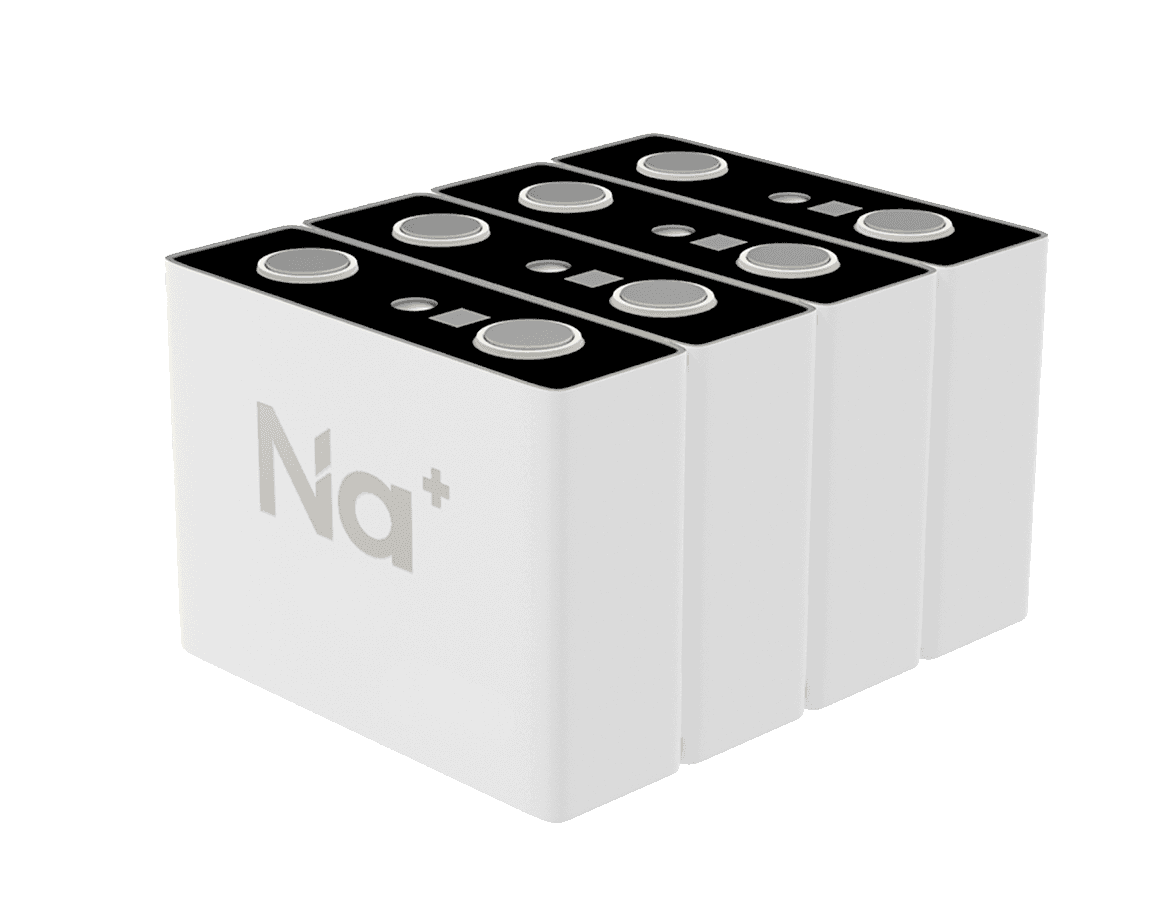
Sodium-ion batteries work on the same fundamental principle as lithium-ion batteries: ions move between the anode and cathode through an electrolyte during charging and discharging.
The key difference: instead of lithium, sodium ions are used – a raw material available in virtually unlimited quantities worldwide, found in ordinary sea salt.
Advantages of Sodium-Ion Technology
Five compelling reasons why sodium-ion batteries are the future of energy storage.
Unlimited raw material supply
Environmentally friendly extraction
Independent of lithium, cobalt and nickel
Non-toxic and cost-effective
Highly recyclable
Technical Key Data
4000 – 8000
Charge Cycles
Tests show over 10000 cycles possible
-25°C to +55°C
Thermal Stability
Stable performance at extreme temperatures
~165 Wh/kg
Energy Density
Next generation: up to 200 Wh/kg
Fast Charge
Charging Speed
Short charging times thanks to high C-rate capability
Down to 0V
Deep Discharge
Deep discharge without damage and negative impact on battery life
>= 85%
Discharge at -40°C
With only 15% loss of capacity
Battery Management System (BMS)
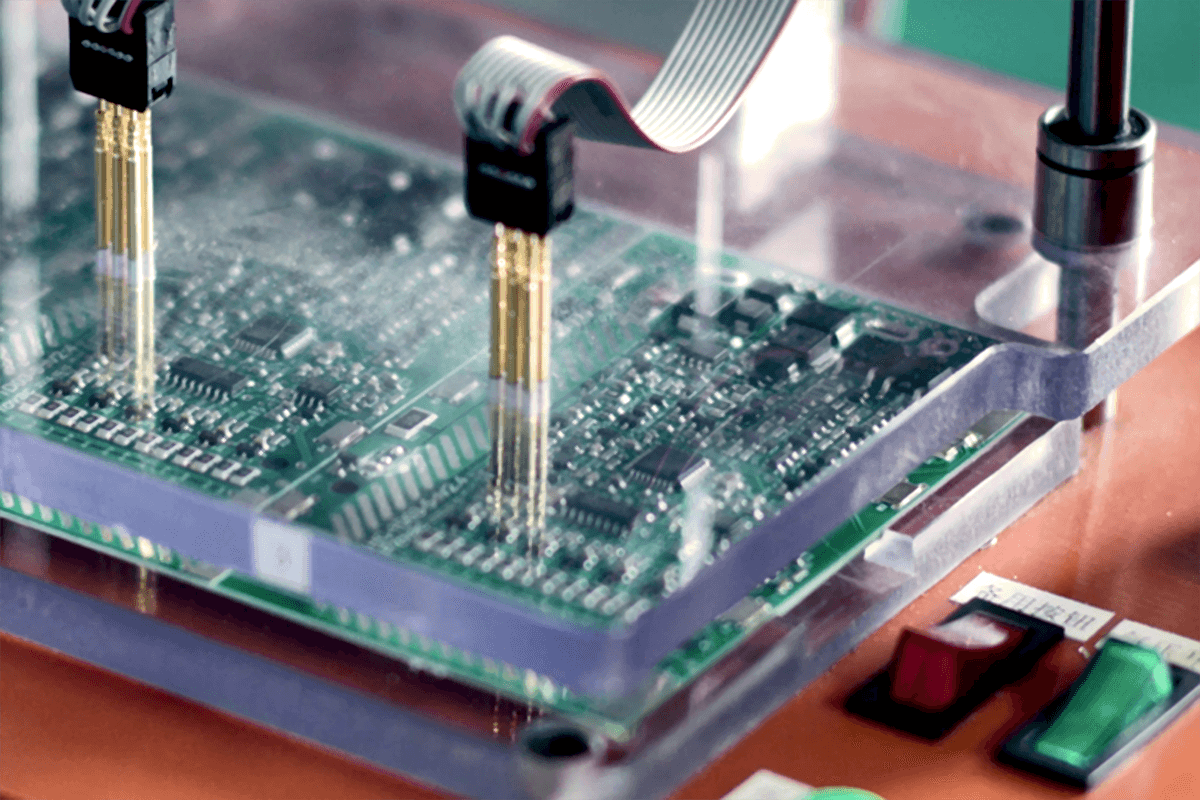
Our battery storage systems use an advanced BMS to monitor and optimize performance. They include protections for voltage, temperature, overcurrent, and insulation faults, along with real-time hazard alerts. The system supports AC integration, remote monitoring, and local display access. Safety disconnects add an extra layer of protection for reliable, compliant operation.
Economic Benefits for Companies
Reducing Energy Costs
Peak shaving reduces demand charges. Time shifting optimizes energy use.
Fast ROI
High cycle lifespan. Low maintenance. Price-stable raw materials (sodium instead of lithium).
Subsidy Eligibility & ESG Benefits
Supports sustainability goals. Improves ESG ratings. More profitable under the European Green Deal.
Research & Development
Technological Sovereignty for Europe
TIFFY's medium-term goal is to develop and manufacture key components for energy storage systems in Europe, independent of China.
- European Battery Management System (BMS)
- European Energy Management System (EMS)
- European inverter
- Data security for critical infrastructure
- European R&D Start: 2027/28